Sunflower Multilayer Postcard 3D Graphics for Crafts and Publishing
In the world of digital publishing, visual hierarchy is not just an aesthetic choice; it is a functional necessity. As a blog designer who has spent years optimizing content for readability, click-through rates, and brand trust, I approach every new graphic design asset with a critical eye. We are looking for more than just "pretty pictures." We need elements that support editorial integrity, enhance user experience, and drive engagement without slowing down page load times or distracting from the core message.
This week, I evaluated a specific asset titled Sunflower Multilayer Postcard 3D. On the surface, it appears to be a craft supply item, categorized under Crafts and Graphics. However, when viewed through the lens of a digital publisher, this asset reveals itself as a versatile tool for modern content marketing. Below is my review of how this layered sunflower illustration can integrate into real-world publishing workflows, from newsletter headers to downloadable lead magnets.
First Impressions: Editorial Mood and Visual Identity
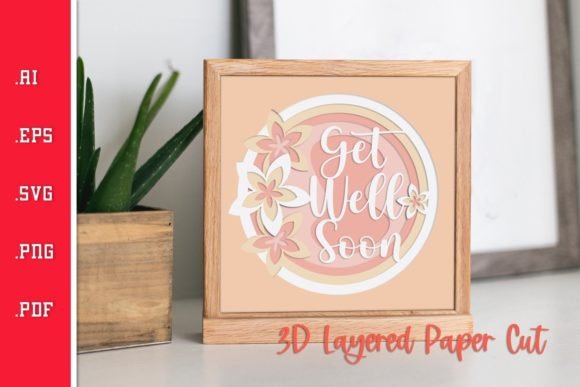
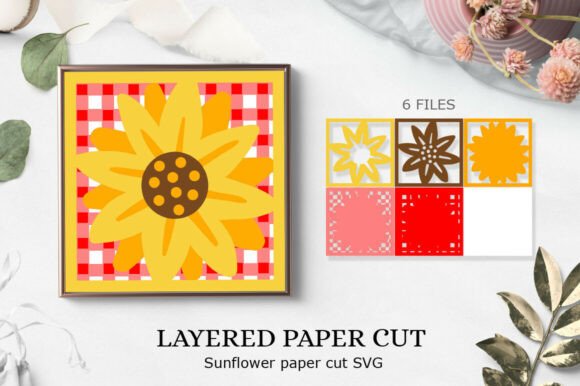
The moment you open the file package, which includes seven cut files and one colorful illustration in SVG, PNG, JPG, EPS, and DXF formats, the quality becomes apparent. The term "Multilayer" is doing heavy lifting here. In web design, flat graphics often lack depth, but a layered 3D effect allows for dynamic composition. This asset creates an editorial mood that is warm, inviting, and distinctly lifestyle-focused.
For content creators in niches such as home decor, gardening, wellness, feminine entrepreneurship, or seasonal lifestyle blogging, this design supports a visual identity that feels both professional and approachable. It strikes a balance between playful and polished. Unlike generic stock photos that can feel sterile, this creative design element adds personality. It suggests a brand that cares about details—a subtle psychological cue that can improve reader trust. When a visitor lands on a site where the graphics are cohesive and thoughtfully designed, they perceive the content as more credible.
Integrating Layered Assets into Real Publishing Workflows
One of the most significant advantages of receiving this asset in multiple formats, particularly SVG and PNG with transparent backgrounds, is its adaptability across different platforms. Here is how I have seen similar layered graphics perform in active content marketing campaigns:
- Pinterest Pins and Social Media Graphics: Pinterest is a visual search engine. A multilayer postcard design allows you to create pins that stand out in a feed of flat images. You can layer the sunflower elements over textured backgrounds or place them strategically beside headline text to guide the eye. The 3D effect adds dimensionality that stops the scroll.
- Newsletter Headers and Banners: Email clients can sometimes struggle with complex code, but high-quality rasterized PNGs or optimized JPGs work reliably. Using this graphic as a header accent or a footer signature reinforces brand identity. It transforms a standard email template into a branded experience.
- Digital Guides and Lead Magnets: If you are creating a PDF download, such as a seasonal planting guide or a wellness checklist, these cut files allow you to customize the cover design. By separating the layers, you can adjust colors to match your specific brand palette, ensuring consistency across all digital products.
- Website Category Thumbnails: For blogs with diverse content, category icons are essential for navigation. A stylized sunflower postcard can serve as a unique icon for sections like "DIY Projects," "Home Styling," or "Summer Reads," improving category recognition and site usability.
Impact on Content Performance and User Experience
Why does this matter for your bottom line? Stronger first impressions lead to lower bounce rates. When a website looks professionally curated, readers are more likely to stay and consume the content. The visual hierarchy provided by a layered asset helps direct attention. For example, if you are designing an affiliate marketing page, placing a vibrant, dimensional graphic next to a call-to-action button can increase click-through potential by making the offer feel more tangible and appealing.
Furthermore, using consistent design assets strengthens your brand identity. Instead of sourcing random clip art from various marketplaces, building a library of compatible elements—like the layers found in this Sunflower Multilayer Postcard 3D set—ensures that your website, social media, and email communications feel like part of the same ecosystem. This cohesion is crucial for small business branding and long-term audience loyalty.
Strategic Placement and Design Considerations
While this asset is highly versatile, it is not suitable for every context. Understanding where to use it—and where to exercise caution—is key to maintaining editorial quality.
Best Use Cases:
- Hero Images: Use the full composition as a background element behind bold typography on your homepage or article featured images.
- Editorial Accents: Place smaller layers in the margins of long-form articles to break up text blocks and add visual interest without distraction.
- Downloadable Resources: Ideal for worksheets, printables, and eBook covers where high-resolution vector files (SVG/EPS) ensure crisp printing.
Areas for Caution:
Avoid using this asset in serious professional niches such as corporate finance, legal advice, or healthcare news, where a minimal visual system is preferred. Additionally, be careful with small mobile thumbnails. Complex 3D layers can become muddy when scaled down to 150x150 pixels. Always test how the graphic looks at thumbnail size before committing to it for navigation elements. Similarly, avoid placing it on busy layouts or low-contrast backgrounds where readability suffers.
Practical Publisher Notes for Implementation
To get the most out of this graphic design asset, follow these technical best practices:
- Font Pairing: Test the graphic alongside various typefaces. A script font might clash with the structured layers of a postcard, while a clean sans-serif font can complement the modern design. Try pairing it with a serif font for an editorial look or a handwritten font for a personal touch.
- File Optimization: Even though you receive vector files, web performance is critical. Convert SVGs to optimized web formats or compress PNGs using tools like TinyPNG to ensure fast load times. Slow websites hurt SEO rankings.
- Contrast and Readability: Preview the asset with headline text overlaid. Ensure there is sufficient contrast so that your message remains legible. If the sunflower colors are bright, consider darkening the background or adding a semi-transparent overlay.
- Licensing Verification: Before using this on monetized websites, affiliate pages, or paid content products, confirm the commercial license terms. Most creative marketplaces provide clear guidelines, but it is essential to verify that you are allowed to modify the layers and use them in digital downloads.
In conclusion, the Sunflower Multilayer Postcard 3D is more than a craft cut file; it is a robust design asset for digital publishers. Its versatility, high-quality layers, and warm aesthetic make it an excellent addition to any content creator’s toolkit. By integrating it thoughtfully into your blog graphics, website headers, and social media visuals, you can elevate your editorial design and create a more engaging experience for your audience.