Hearts Shadow Box Card Review
As a designer who spends half my life troubleshooting stitch errors and the other half trying to make handmade goods look professional enough for boutique shelves, I approach every new embroidery file with a mix of optimism and skepticism. When 3D Layered Hearts Window Shadow Box Card landed on my desk, I didn’t just see a cute heart design; I saw a structural challenge wrapped in a romantic aesthetic. This isn’t your standard flat applique that you slap onto a tote bag and call it a day. It is a 3D SVG concept designed to create depth, dimension, and a tangible "wow" factor that stands out in a sea of flat embroidery.
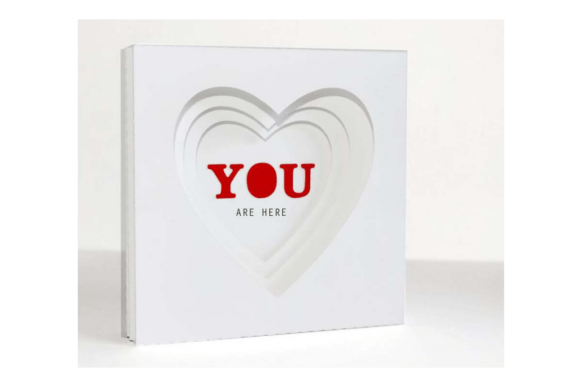
The premise is simple but effective: this design features one piece cut for the box itself plus the inside layers. The shadow box is easy to assemble, just accordion fold along the perforated lines of the two sides of the box. Then fold. For an embroiderer, the magic lies in how the stitching interacts with those folds. It transforms a 2D fabric surface into a miniature architectural piece. But does it hold up under the scrutiny of real-world use? Let’s break down how this machine embroidery design performs when you move beyond the hoop and into the hands of your customers.
First Impressions: Mood and Visual Personality
When I first laid out the pieces for testing, the immediate mood was one of nostalgic warmth. The layered hearts evoke a sense of vintage romance, reminiscent of old-fashioned love letters or keepsake boxes. Visually, the design relies heavily on contrast between the layers. Because it is a shadow box style, the depth comes from the physical stacking of the embroidered elements. This means the thread colors must be chosen with intention. If you use similar tones for the base and the inner hearts, the 3D effect flattens out, losing its impact.
The layout feels balanced but busy enough to require precision. It naturally belongs to projects that celebrate milestones: weddings, anniversaries, Valentine’s Day, or baby showers. It has a "handmade product" soul that fits perfectly into the current market trend where buyers are willing to pay a premium for items that feel personal and intricate. It doesn’t scream "mass production"; it whispers "crafted with care."
Real-World Application: Where Does It Shine?
I’ve been thinking about how this design would translate across various custom apparel and gift categories. Here is where I see the highest potential for success:
- Personalized Gift Boxes: The most obvious application is the card itself. Imagine a high-quality cardstock base with this design stitched onto the front flap. The accordion fold creates a window that reveals the layered hearts inside. It is a perfect personalized gift for couples, offering a tactile experience that digital cards cannot match.
- Baby Embroidery Items: This design translates beautifully to nursery decor. Stitching this onto a muslin blanket or a quilted pillow cover adds a sophisticated touch to baby gifts. The soft layers mimic the gentle nature of the subject matter, making it a strong contender for small shop product listings targeting new parents.
- Wedding and Bridal Gifts: For an Etsy seller, this is gold. Custom wedding favors, such as monogrammed boxes or guest book covers, can utilize this design to add a custom, luxurious feel. The "window" aspect invites interaction, which increases customer engagement and perceived value.
- Holiday Embroidery: Beyond Valentine’s Day, this works for Christmas (red/green palettes) or Mother’s Day. Its versatility allows it to serve as a staple in any craft business inventory during gifting seasons.
However, it is not a universal fit. While it might look cute on a tote bag design, the structural complexity of folding might interfere with the bag's functionality. It shines brightest on flat surfaces that will be framed, boxed, or used as stationary.
Technical Considerations and Pitfalls
No design is without its challenges, and 3D Layered Hearts Window Shadow Box Card requires careful handling. As a reviewer, I need to highlight where things can go wrong so you don’t waste time and materials.
Fabric and Stability
This design demands a stable foundation. You cannot run this on thin, stretchy fabric like a lightweight jersey t-shirt without significant puckering. The accordion folds introduce tension, and if the fabric stretches during stitching, the alignment of the layers will be off. Stick to medium-weight cottons, linen blends, or sturdy cardstocks for the best results. Always use a proper stabilizer—cut-away for woven fabrics to prevent distortion over time, and tear-away for non-wovens if the design structure supports it.
Hoop Size and Detail
Check your hoop size requirements carefully. If the design extends beyond your machine’s standard hoop, you will need to rehoop, which risks misalignment. Furthermore, inspect the small details. In a layered design, tiny stitches can get lost if the stitch density is too low or if the thread color lacks contrast against the fabric. Test the design in black and white mockups to ensure the shapes remain distinct even without color differentiation.
Dense Stitch Areas
While this is primarily an applique-style design, check for any fill stitch areas. Dense fill stitches can create a stiff, cardboard-like texture that might fight against the desired accordion fold. If the fabric becomes too rigid, the "soft" aesthetic of the hearts is lost. Balance is key. If the instructions advise specific thread weights, follow them strictly to maintain the intended drape.
Designer’s Notes for Success
To ensure your finished product looks professional and sells well, here are my practical tips before you start stitching:
- Test on Scrap First: Never trust a new design blindly. Run a test version on the exact fabric and stabilizer combination you plan to use for the final product. Check for thread breaks, tension issues, and how the fabric behaves after washing.
- Thread Color Contrast: The success of this design hinges on visibility. Ensure there is enough contrast between the base layer and the inner hearts. High-contrast combinations (e.g., cream base with blush pink hearts) tend to read better than subtle tonal variations.
- Commercial Licensing: Before listing this as part of your commercial embroidery offerings, confirm the licensing terms. Are you allowed to sell the finished physical items? Can you sell the digital file itself? Clarity here protects your creative entrepreneur brand from legal headaches.
- Mockup Presentation: When creating a printable mockup for your online store, show the card in both open and closed states. Buyers need to understand the 3D aspect. A flat image fails to convey the depth of a shadow box design.
Final Verdict
3D Layered Hearts Window Shadow Box Card is more than just a pretty picture; it is a functional piece of textile art that rewards patience and precision. It appeals to the buyer’s desire for something unique and interactive. For the embroidery project enthusiast, it offers a satisfying assembly process that results in a polished, gallery-worthy finish. For the digital product seller, it is a versatile asset that can elevate multiple product lines.
Just remember: respect the structure, choose your fabrics wisely, and let the layers do the talking. When executed correctly, this design doesn’t just sit on the fabric—it pops off it, creating a memorable experience for anyone who receives it. It is a solid addition to the toolkit of any serious maker looking to blend traditional craftsmanship with modern 3D design trends.