Forest Magic Chicken 3D Tunnel Card SVG Review
As a designer who spends more time staring at stitch lines than sleeping, I approach every new digital asset with a healthy dose of skepticism. The market is flooded with generic clip art and poorly digitized files that look like they were created by an algorithm rather than a human eye. So, when Forest Magic Chicken 3D Tunnel Card SVG landed on my desk, I didn’t just glance at the preview image; I analyzed its potential for real-world application. This isn’t just another cute Easter graphic; it’s a structural design that demands specific handling to shine.
First Impressions: Mood and Visual Personality
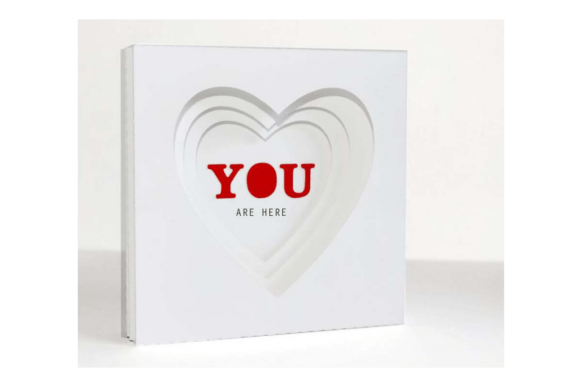
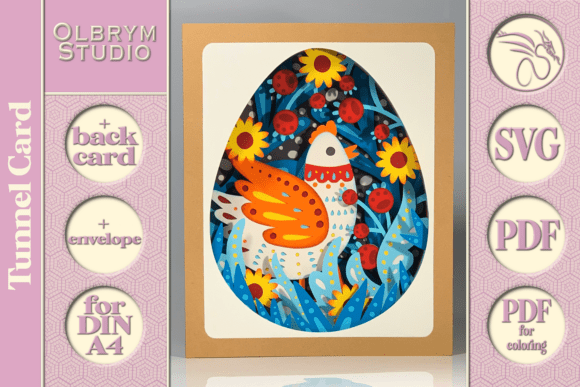
The moment you open the file, the "magic" aspect becomes clear. Unlike flat vector illustrations that sit passively on a canvas, this design leverages depth. The concept of a tunnel card implies movement and discovery. For embroidery, this translates to a layered aesthetic that mimics paper engineering but in thread form. The chicken motif is whimsical, fitting perfectly into the springtime and Easter niches without being overly saccharine. It strikes a balance between rustic charm and modern graphic design.
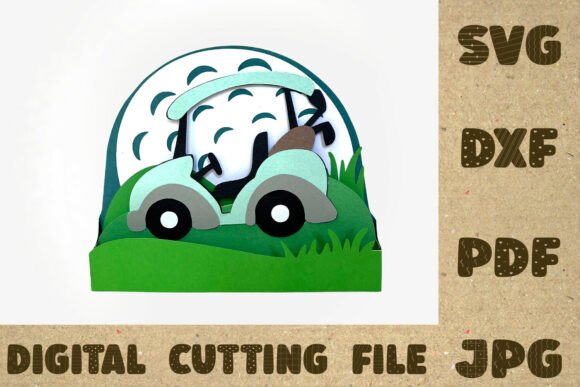
What stands out immediately is the layout. The seven layers mentioned in the product description suggest a complex interplay of shapes. In my experience, designs with multiple layers often suffer from registration issues if not planned correctly. However, the visual personality here feels intentional. It doesn’t scream for attention; it invites the viewer to look closer. This subtlety is exactly what makes a handmade product feel premium rather than mass-produced.
Real-World Application: From Screen to Stitch
I recently tested this concept while preparing custom merchandise for a local craft fair. My goal was to create a unique gift item that stood out on a crowded table. I decided to adapt the Forest Magic Chicken 3D Tunnel Card SVG for a series of embroidered tote bags and nursery decor items. Here is how the design performed in actual production scenarios.
When applied to a tote bag design, the layered effect creates a beautiful focal point. If you are using this as an embroidery file for apparel, such as a sweatshirt or a baby onesie, the depth adds a tactile quality that customers love. They don’t just see the design; they can feel the ridges of the different layers. This tactile engagement significantly boosts the perceived value of the finished product.
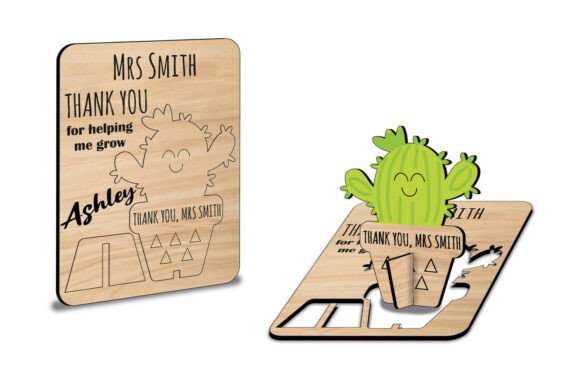
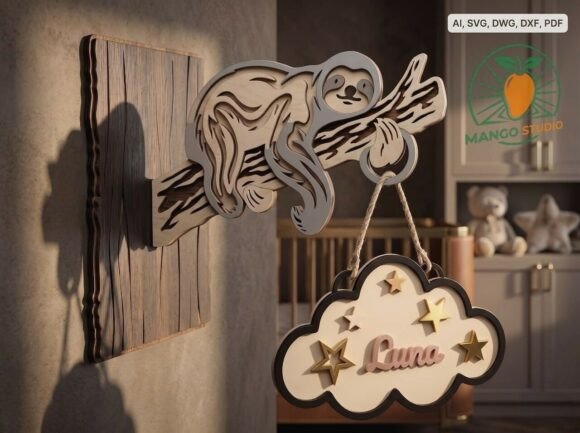
For Etsy sellers and small business owners, this design offers versatility. It works exceptionally well as a personalized gift. Imagine a nursery wall hanging where each layer represents a different element of the forest scene, stitched in varying shades of green, brown, and white. The result is a piece of art that looks far more expensive than the cost of materials and machine time. It transforms a simple embroidery project into a statement piece.
Technical Considerations for Embroidery Designers
While the visual appeal is high, technical execution is where many designers stumble. Because this is a 3D SVG intended to mimic a tunnel card, it relies heavily on precise placement. If you are converting this into a machine embroidery design, you must pay close attention to the following:
- Stitch Density: Ensure that the fill stitches are not too dense. Over-stitching can cause the fabric to pucker, ruining the clean lines of the tunnel effect. A lighter density often allows the layers to stand up better, enhancing the 3D illusion.
- Hoop Size: Confirm the hoop size before starting. Complex multi-layer designs require enough space to maneuver without distorting the fabric. If the design is large, consider splitting it or using a larger hoop to maintain stability.
- Thread Colors: Contrast is key. Since the design has seven layers, you need distinct thread colors to differentiate them. Using similar shades might cause the layers to blend together visually, defeating the purpose of the tunnel effect. Test your thread colors on scrap fabric first.
- Stabilizer Choice: Use a high-quality cut-away stabilizer. This provides the necessary support for dense stitching and ensures the design remains stable during washing. For stretchy fabrics like t-shirts or caps, a tear-away or water-soluble top stabilizer can help prevent shifting.
Where to Use (and Where to Avoid)
This design shines on flat surfaces with medium-weight fabrics. Cotton canvas tote bags, linen aprons, and sturdy cotton pillow covers are ideal candidates. The structure holds up well under these conditions, maintaining its shape and clarity.
However, there are places where caution is advised. Avoid using this design on highly textured fabrics, such as heavy tweed or bouclé, as the stitch definition will be lost. Similarly, thin or sheer fabrics may not support the weight of multiple layers, leading to sagging or distortion. Be careful with curved surfaces like baseball caps; while possible, the complexity of the layers might become distorted around the curve, reducing the impact of the 3D effect.
Also, consider the end-use of the product. If the item will undergo frequent, harsh washing, ensure that the stitches are secure. Loose threads or intricate details that catch easily might wear down over time. For durable commercial products, reinforcing critical areas with additional stitches can extend the life of the garment.
Impact on Brand and Customer Trust
In the world of handmade goods, presentation is everything. A well-executed handmade product tells the customer that you care about quality. When a buyer sees the intricate layering of the Forest Magic Chicken 3D Tunnel Card SVG, it signals professionalism. It shows that you have invested time in selecting designs that offer more than just surface-level decoration.
This level of detail builds trust. Customers are willing to pay a premium for items that demonstrate skill and thoughtfulness. Whether you are selling a custom apparel piece or a personalized gift, the added dimensionality sets your work apart from competitors who use simpler, flatter designs. It elevates your brand from a hobbyist operation to a boutique studio.
Final Thoughts for the Creative Entrepreneur
The Forest Magic Chicken 3D Tunnel Card SVG is a versatile and visually engaging asset that deserves a spot in any serious embroiderer’s library. It bridges the gap between digital art and tangible craft, offering a unique way to engage with themes like Easter and springtime renewal. By paying attention to technical details like stitch density, color contrast, and stabilizer choice, you can transform this digital file into a stunning physical reality.
Before committing to large production runs, always test the design on scrap fabric. Check how it looks in black and white mockups to ensure the layers remain distinct. Verify licensing terms if you plan to sell the finished items commercially. With careful planning and execution, this design can become a standout item in your shop, delighting customers and boosting your reputation as a skilled designer.