Fishing Bear 3D Layered Laser Cut SVG Review
As a designer who spends more time looking at stitch density charts than actual fish, I approach every new digital asset with a healthy dose of skepticism. The market is flooded with generic clipart disguised as embroidery files, but Fishing Bear 3D Layered Laser Cut SVG caught my eye for a different reason. It isn’t just a simple motif; it’s a structural concept that promises depth and texture. For those of us in the craft business or running an Etsy seller boutique, the difference between a flat image and a dimensional piece can be the deciding factor in whether a customer clicks "Add to Cart." I put this design through its paces to see if it holds up under the needle and in the hands of a real-world buyer.
First Impressions: Mood and Visual Personality
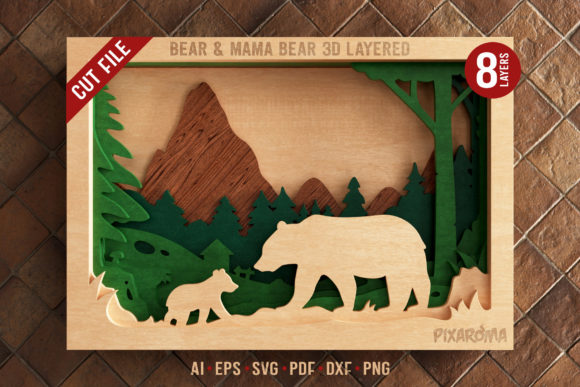
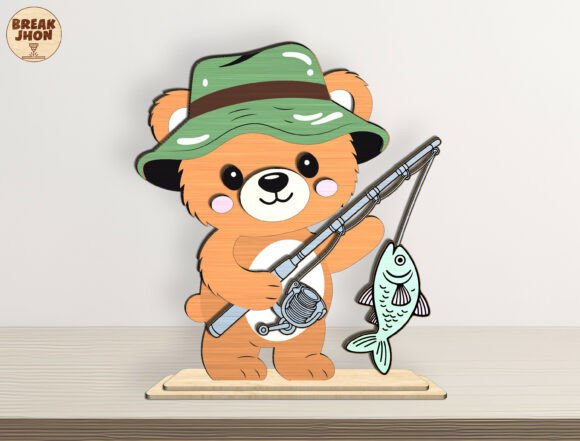
The immediate appeal of this design lies in its narrative. It isn’t just a bear; it’s a character. The theme of outdoor adventure mixed with childhood wonder creates an instant emotional connection. When I first loaded the file into my digitizing software, the layered nature of the Fishing Bear 3D Layered Laser Cut SVG stood out. This isn’t a single-layer applique; it suggests a multi-step construction process that results in a high-end look.
Visually, the layout feels balanced. The bear’s posture—ready for a day at the lake—implies action without being chaotic. This is crucial for home decor items where you want a focal point that doesn’t overwhelm the space. Whether intended for a nursery wall hanging or a cozy throw pillow, the design exudes warmth. It feels like a personalized gift that tells a story before the recipient even reads the tag. For commercial embroidery projects aimed at families, this kind of storytelling is invaluable.
Real-World Application: From Screen to Stitch
I decided to test this design on a custom embroidered tote bag project, a staple for any small shop product line. Tote bags are unforgiving; the canvas texture can eat away at fine details, and the fabric moves under the hoop. Using the Fishing Bear 3D Layered Laser Cut SVG, I focused on how the layers would interact with the fabric weave.
The result was surprisingly robust. Because the design relies on distinct shapes rather than tiny, intricate lines, it translated well to the finished product. The "laser cut" aspect of the source file implies clean edges, which translates beautifully when using satin stitch borders to define each layer. On the tote bag, the bear popped off the background, creating a shadow effect that mimics true 3D applique. This adds significant perceived value to the item. Customers often associate layered designs with higher quality, making it easier to justify a premium price point for your handmade product.
I also envisioned this working exceptionally well on sweatshirt embroidery. The chunky, friendly aesthetic of the bear pairs perfectly with the soft, brushed interior of a hoodie. Imagine a baby shower gift featuring this design on a onesie or a toddler’s sweatshirt. The contrast between the rougher fabric texture and the smooth threads of the bear creates a tactile experience that babies love to touch. It transforms a standard garment into a keepsake.
Technical Considerations and Potential Pitfalls
While the design has strong visual appeal, no machine embroidery design is perfect for every surface. There are specific scenarios where you need to exercise caution. First, consider the hoop size. If you are attempting to fit this layered composition into a very small hoop, such as one used for embroidered patch details on a cap, you may lose the impact of the layers. The design needs breathing room to let the shadows and overlaps do their work.
Furthermore, fabric choice is critical. While this design shines on stable fabrics like cotton canvas or fleece, it might struggle on highly textured or stretchy materials. On a knit cap, for instance, the stabilizer requirements become much more complex. You would need a heavy-duty cut-away stabilizer to prevent the layers from distorting during stitching. Similarly, on dark fabrics, thread color selection becomes paramount. If the layers are similar in tone to the background, the 3D effect vanishes. You must choose high-contrast thread colors to ensure the definition remains sharp.
Another area to watch is the smaller details. If the original SVG contains very thin elements meant for laser cutting, they may not translate well to embroidery unless they are converted into sturdy running stitch or thick fill stitch areas. Always inspect the digitization closely. If there are tiny decorative accents, test them on scrap fabric first. Dense stitch areas can cause puckering, especially on lighter weight fabrics like tea towels or thin linen. If you plan to use this for kitchen towel designs, ensure the stitch density is reduced slightly to maintain the fabric’s drape.
Strategic Advice for Designers and Sellers
For those of you looking to integrate this into your inventory, here is some practical advice based on my testing. Always start by reviewing the stitch density. High-density designs can look muddy if the thread tension isn’t perfect. Adjusting the tension settings on your machine might be necessary to get the best finish on the layered edges.
Before committing to a full production run, create a printable mockup or stitch out a test version. Check the design in black and white to ensure the contrast levels are sufficient. This helps you visualize how the layers will separate visually. Also, compare light and dark fabric backgrounds side-by-side. You might find that the design works better on navy blue than on black, simply due to the way the thread reflects light.
Don’t forget about licensing. As a digital embroidery file user, you must confirm whether you have commercial rights to sell finished items made from this design. Even if you are selling physical goods, the underlying assets must allow for it. Clear licensing protects your brand consistency and avoids legal headaches down the road.
Finally, think about how this fits into broader collections. The Fishing Bear theme lends itself well to seasonal promotions. It could anchor a summer fishing camp collection or transition into a fall harvest theme with appropriate color changes. Its versatility makes it a valuable asset for design assets libraries. Whether you are decorating custom apparel or creating unique holiday embroidery gifts, this design offers a professional finish that resonates with buyers.
In conclusion, the Fishing Bear 3D Layered Laser Cut SVG is a strong contender for designers seeking to add dimension and character to their work. It requires thoughtful execution regarding fabric and stabilizer choices, but the payoff in terms of visual impact and customer engagement is well worth the effort. It is not just a pattern; it is a conversation starter on your products.