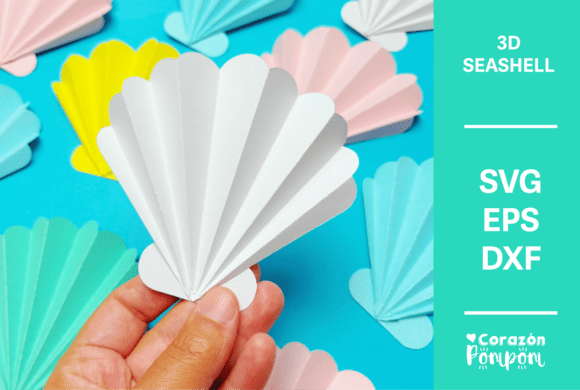
3D Seashell SVG Review
As a designer who spends more time looking at stitch density and thread tension than scrolling through social media, I approach every new design asset with a healthy dose of skepticism. We have all seen the endless streams of generic clip art masquerading as professional embroidery files. However, when evaluating the 3D Seashell SVG, my first instinct was not to judge it by its name alone, but by how it would translate from a digital vector into a tangible, stitched reality. This is not just another summer novelty; for the right application, it has the potential to elevate a simple handmade item into a boutique-quality piece.
The visual personality of this design strikes a balance between organic texture and clean geometry. In the world of machine embroidery, achieving a "3D" effect often relies heavily on the interplay of light and shadow created by specific stitch types. The 3D Seashell SVG appears to be structured in a way that encourages depth, likely utilizing layers or varied stitch directions to mimic the ridges and curves of a real shell. For an Etsy seller or small business owner, this level of detail is crucial because it signals craftsmanship. It tells the customer that this is not a hastily printed transfer, but a carefully constructed embroidery project.
Real-World Application: From Screen to Stitch
To truly understand the value of a design file, you have to imagine it on a finished product. Let’s consider a practical scenario: preparing a collection of custom embroidered tote bags for a local craft fair or an online shop. A plain canvas tote can feel utilitarian, but adding a well-executed tote bag design transforms it into a fashion accessory. The 3D Seashell SVG fits naturally here. It evokes a coastal lifestyle without being overly literal or cheesy. It suggests a vacation vibe that appeals to a broad demographic, from teenagers looking for trendy accessories to adults seeking a sophisticated beach bag.
However, the versatility extends far beyond summer-themed merchandise. While categorized under Summer and defined as a 3D SVG, its aesthetic is neutral enough to work year-round. Imagine placing this design on a heavyweight sweatshirt for a fall launch. The contrast of the textured shell against the soft, fuzzy fabric of a fleece hoodie creates a tactile experience that customers love. Or consider using it on baby clothes. The rounded, safe shapes of a seashell are gentle and appealing for nursery decor or infant apparel. As a personalized gift, it offers a unique touch that standard monograms cannot provide.
I also see strong potential for this design in the realm of commercial embroidery. Many businesses look for subtle branding elements that don’t scream "logo." A large, detailed embroidered patch featuring this seashell could serve as a distinctive mark for a boutique clothing line, a surf shop, or a coastal restaurant. It adds character and brand consistency without overwhelming the garment. For crafters looking to expand their inventory, this file allows them to offer higher-margin items like aprons, pillow covers, and kitchen towels that stand out in a crowded marketplace.
Technical Considerations and Fabric Choices
While the artistic merit of the 3D Seashell SVG is clear, a professional review must address the technical execution. Embroidery is unforgiving; a design that looks perfect on screen can fail miserably if the underlying parameters are ignored. One of the primary concerns with any design claiming a 3D effect is hoop size. If the design is too large for your machine’s maximum hoop, you will run into registration issues where the layers do not align perfectly. Before purchasing or using this file, you must confirm the exact dimensions to ensure it fits your equipment. Additionally, checking the stitch density is vital. Too much density on a thin fabric can cause puckering, while too little may result in a flat, lifeless appearance.
Fabric selection plays a pivotal role in the final look. The 3D Seashell SVG will perform best on stable, medium-to-heavy weight fabrics. A sturdy cotton canvas or a dense polyester blend provides the necessary support for the stitches to hold their shape. Conversely, using this design on stretchy knits or very thin materials requires extreme caution. Without proper stabilization, the natural movement of the fabric can distort the intricate details of the shell. I strongly advise testing the design on scrap fabric first, using the same stabilizer you plan to use for the final product. This step is non-negotiable for maintaining quality control.
Thread color contrast is another critical factor. To achieve the desired depth, the choice of thread colors must complement the background fabric. On dark fabrics, lighter threads will pop, creating a striking visual impact. On light fabrics, darker or metallic threads might be needed to define the edges. I recommend inspecting small details in black and white mockups to ensure that the contrast is sufficient for the eye to distinguish the different parts of the shell. If the colors blend together too much, the 3D illusion falls apart.
Strategic Advice for Designers and Sellers
For those looking to monetize this design, understanding its limitations is just as important as knowing its strengths. The 3D Seashell SVG should be used carefully on curved surfaces like caps or hats. While possible, the curvature can distort the perspective of the shell, making it look skewed unless the design is specifically optimized for such applications. Similarly, avoid placing dense stitch areas near delicate seams or edges where frequent washing might cause wear and tear. Durability is key to customer satisfaction and repeat business.
When marketing these products, focus on the story behind the design. Highlight the handcrafted nature of the handmade product. Use high-quality photos that show close-ups of the stitching to demonstrate the texture and quality. For digital product sellers, providing printable mockups that showcase the design on various items can help buyers visualize the final result. Remember to check the licensing terms before selling finished items. Ensure that the file is cleared for commercial use, and clearly communicate any restrictions to your customers to build trust.
Ultimately, the 3D Seashell SVG is a versatile tool in the arsenal of any serious embroiderer. It bridges the gap between simple decoration and complex artistry. By paying attention to fabric choice, stabilizer usage, and thread selection, you can transform this digital file into a stunning physical object. Whether you are creating a one-off gift for a loved one or building a robust line of custom apparel for your shop, this design offers a reliable foundation for success. It captures the essence of summer elegance while remaining adaptable to a wide range of seasonal and thematic projects. Take the time to test, refine, and present your work with pride, and the results will speak for themselves.